GUIDE / STRAIGHT ANSWER
Should I use an AI website builder or pay a web designer?
The real comparison is who will make the decisions, check the work and maintain the result—not whether AI is involved at all.
The short answer
A DIY builder can suit someone with the time and judgement to plan, write, check and maintain the website. A managed build can suit a business that needs help turning its offer into a clear customer journey. Compare scope, ownership, running costs and actual finished work rather than assuming AI-assisted means either bad or automatically complete.

A practical Hypertrail guide. Worked examples are not client results unless a case study is explicitly linked. Last updated 23 October 2026.
Why Hypertrail is founder-led →What to check first
Use these checks to identify the problem before buying work or changing the setup.
- ✓Who writes and checks the business facts
- ✓Who plans the pages and enquiry route
- ✓Who handles the domain, launch and updates
- ✓What you can inspect before committing
A draft is not a finished business decision
An AI-generated page may look plausible while missing a service boundary, using an unsuitable image or making a claim the business cannot support. Someone still needs to check every important fact and route. That can be you, a designer or a marketer—but the job does not disappear.
Compare the whole cost
Record subscription, domain, integrations, migration, content changes and your own time. Do the same for a managed quote. A low build fee and an expensive ongoing arrangement are different from a transparent one-off scope; ask for the details rather than guessing.
Use a customer task to judge the work
Ask someone unfamiliar with the business to find a specific service, inspect relevant proof and start an enquiry on mobile. Watch where they hesitate. That exercise is a stronger test than asking whether the design looks “premium”.
Where Hypertrail fits
Hypertrail uses AI-assisted production with marketer-directed structure, copy, checks and revisions. The £250 focused website offer includes a free initial preview. Complex software and unusual integrations need separate scope; the offer is not a claim to include everything.
Apply this to your business
Tell Graeme what you sell, where customers are and where the journey breaks. The next step is a scoped conversation about £250 websites with a free preview, not an automatic package of unrelated services.
Sources checkedPrimary platform documentation (1)+
Real client work
See what this did for real businesses.
Each example shows the problem, what changed and what happened next.
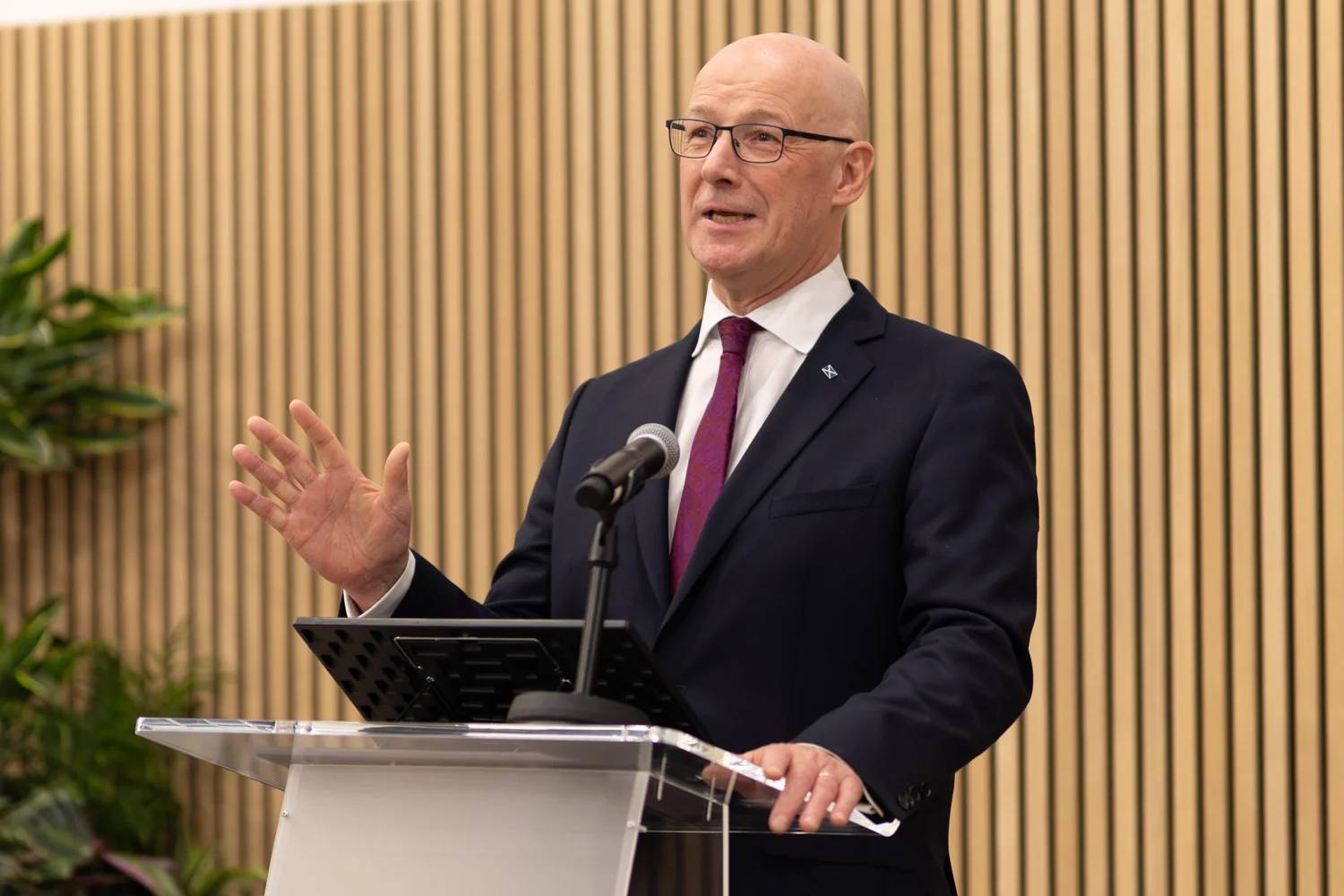
The website launched in September 2026 with clearer services and stronger proof of John’s work. Event-photography ads have produced encouraging early enquiries.
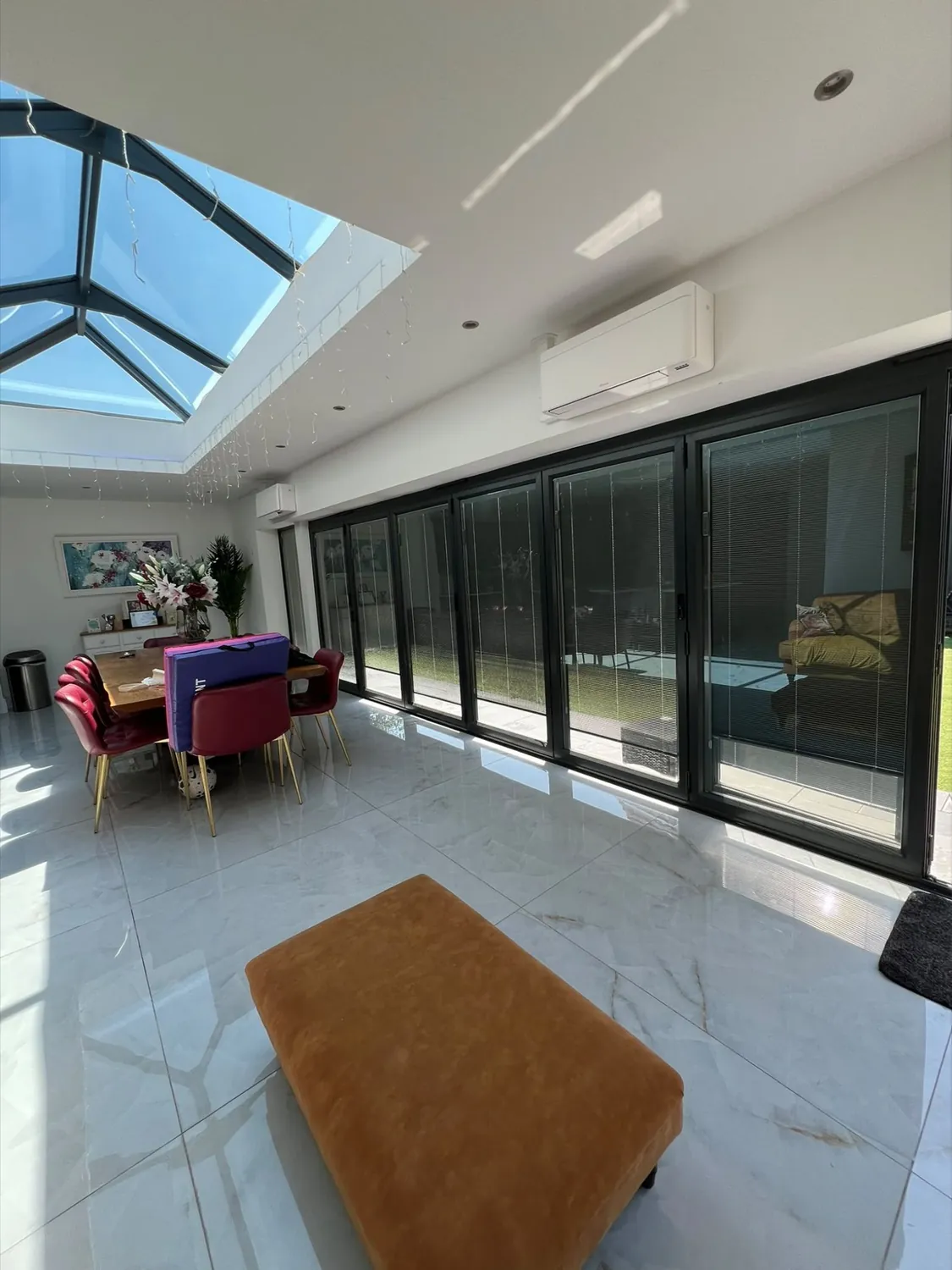
The live website now separates installation, servicing and repair, shows photographed Bristol-area projects and moves each visitor towards the right quote conversation.
Continue with the next useful question
Understand the decision—not just this one answer.
These guides cover the closest decisions that normally affect the same campaign, page or budget.
Browse all practical guides →Common questions
Short, honest answers.
Is using AI itself bad for SEO?+
The useful test is whether the resulting content is accurate, helpful and genuinely adds value. AI use does not excuse invented facts, repetitive pages or poor customer experience.
Can I see real examples?+
Yes. The website service page links to live work and the matching case studies so you can inspect the delivered journey.