GUIDE / STRAIGHT ANSWER
Which pages does a local service business website need?
Give each important customer decision a clear home. Service pages, area information and project proof should have different jobs—not repeat the homepage.
The short answer
Start with a clear homepage, distinct service pages, genuine work, business information and an easy enquiry route. Add location pages only when they provide useful local detail. The right structure follows what customers need to decide, not a target number of URLs.

A practical Hypertrail guide. Worked examples are not client results unless a case study is explicitly linked. Last updated 23 October 2026.
Why Hypertrail is founder-led →What to check first
Use these checks to identify the problem before buying work or changing the setup.
- ✓One primary job per page
- ✓A useful route from service to relevant proof
- ✓Real operating-area information
- ✓A clear enquiry action near the decision
Separate services when the decision differs
Installation, maintenance and emergency repair may need different information and forms. A visitor seeking repair should not have to read an installation sales pitch to discover whether you can help. Keep them together only when separate pages would add no useful detail.
Make area content earn its place
A nearby project, travel boundary, building constraint or visit arrangement can make local information useful. Changing “Glasgow” to “Hamilton” in the same paragraphs does not. Where the offer is identical, one accurate coverage page may serve customers better.
Let the project answer the objection
Link the service to work that demonstrates it. A pool-liner page should lead to an actual liner project, not a generic portfolio of unrelated work. Explain what changed and be honest if there are no measured commercial results yet.
Draw the route before adding more content
Write the simplest path: service → relevant work → practical question → enquiry. A guide can sit alongside that route when it answers a real question. If every page sends the visitor to an unrelated service, more internal links can make the journey worse.
Apply this to your business
Tell Graeme what you sell, where customers are and where the journey breaks. The next step is a scoped conversation about £250 websites with a free preview, not an automatic package of unrelated services.
Sources checkedPrimary platform documentation (2)+
Real client work
See what this did for real businesses.
Each example shows the problem, what changed and what happened next.

The website launched in September 2026 with clearer services and stronger proof of John’s work. Event-photography ads have produced encouraging early enquiries.
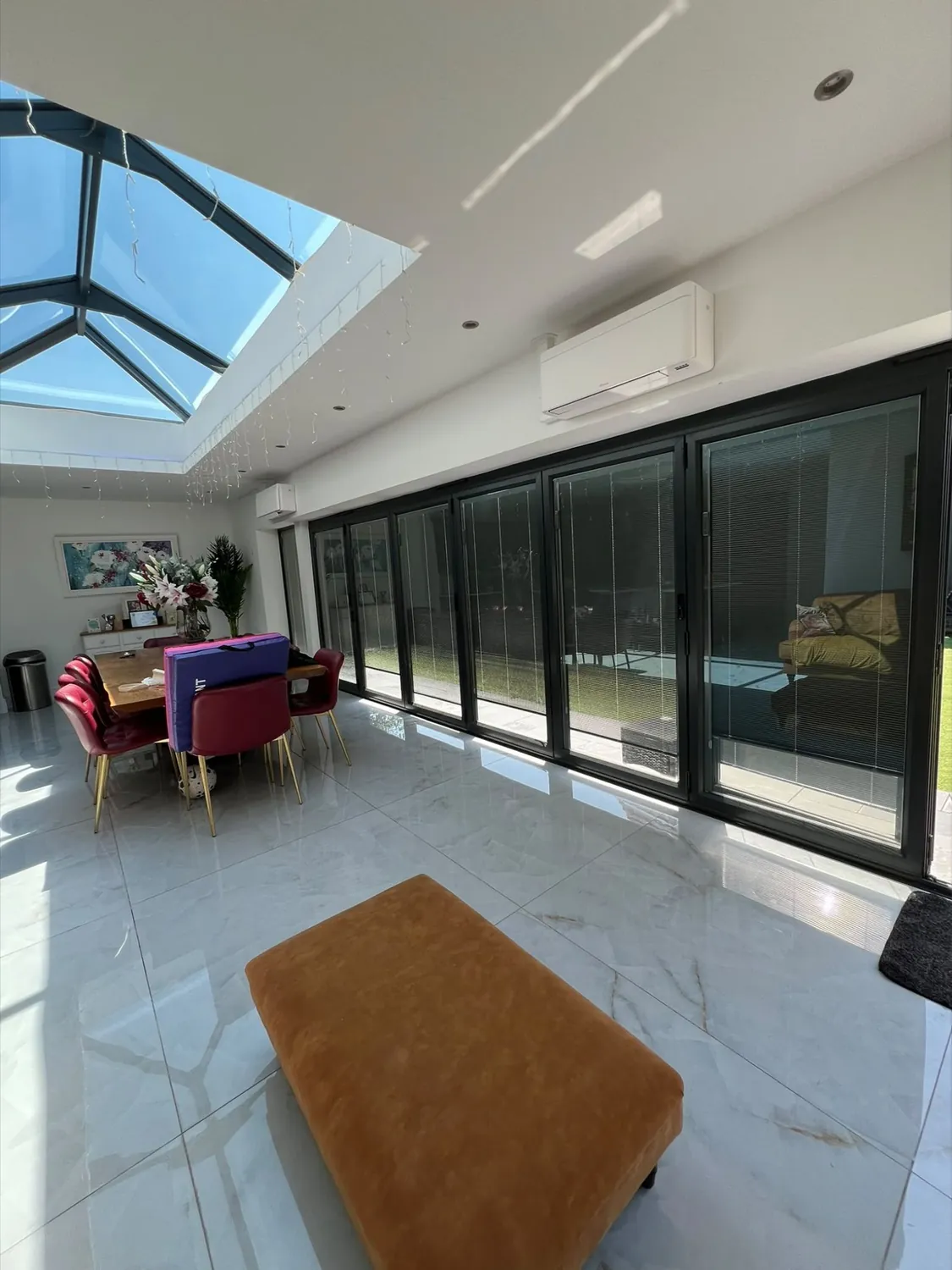
The live website now separates installation, servicing and repair, shows photographed Bristol-area projects and moves each visitor towards the right quote conversation.
Continue with the next useful question
Understand the decision—not just this one answer.
These guides cover the closest decisions that normally affect the same campaign, page or budget.
Browse all practical guides →Common questions
Short, honest answers.
Should I make a page for every keyword?+
No. One useful page can answer related ways of asking the same question. Separate pages when the intent and useful answer are materially different.
Can I keep existing URLs in a rebuild?+
Often yes. Review current traffic, links and purpose before changing them. Map any necessary replacements carefully and use permanent redirects where appropriate.