GUIDE / STRAIGHT ANSWER
How do I track Google Ads leads through to sales?
Website tracking shows the start of the lead. CRM or sales feedback shows whether that lead became qualified, quoted and won.

The short answer
Capture the advertising identifier or permitted first-party lead data, store the source with the enquiry, update the lead outcome and return qualified or converted lead events through an appropriate Google-supported method. Build privacy, consent and data retention into the design.

I manage campaigns directly and use the decision process explained in these guides. Last updated 8 September 2026.
Why Hypertrail is founder-led →What to check first
The right decision depends on a few commercial facts. Work through these before changing budget or buying another service.
- ✓Lead source stored with the record
- ✓Consistent qualified and won definitions
- ✓Consent and privacy reviewed
- ✓Uploads tested and monitored
- ✓Primary bidding goal changed only after validation
Define the stages the business actually uses
A practical pipeline might be new enquiry, contacted, suitable, quoted or booked, won and lost with a reason. The definitions must be used consistently. A campaign cannot learn from “qualified lead” if each person applies a different standard.
Keep the acquisition data with the lead
Store the relevant click identifier and source data, or use the first-party data method supported by the chosen setup. Do not paste personal information into spreadsheets without access controls and a retention policy. The technical route must match current Google requirements and UK privacy obligations.
- ✓Source and campaign
- ✓Permitted identifier
- ✓Lead stage
- ✓Outcome date
- ✓Value or value band where appropriate
Return the useful outcome
Google currently recommends enhanced conversions for leads for many offline lead measurement setups. It uses hashed first-party information and can also use click identifiers to match later outcomes to ad interactions. Validate diagnostics and allow normal conversion delay before changing bidding goals.
Use the data to improve, not merely decorate reports
Compare campaigns, search themes, areas and landing pages by suitable opportunities and won work. Feed the conclusions back into budget and targeting. If too few sales occur for stable automation, use the data for human decisions rather than forcing a model to learn from noise.
What I would check in your account
If you share what the business sells, where customers are and what is not working, I can inspect the actual route from search to enquiry and tell you the first thing I would improve. If there is no sensible paid-search opportunity, I will say so.
Sources checkedPrimary platform documentation (2)+
Real client work
See what this did for real businesses.
Each example shows the problem, what changed and what happened next.

Across the reported 365 days, enquiries cost around £25 and more than one in four became a booking.

From March 2025 to September 2026, the campaign recorded 402 conversion actions at £19.75 each from a niche search market.
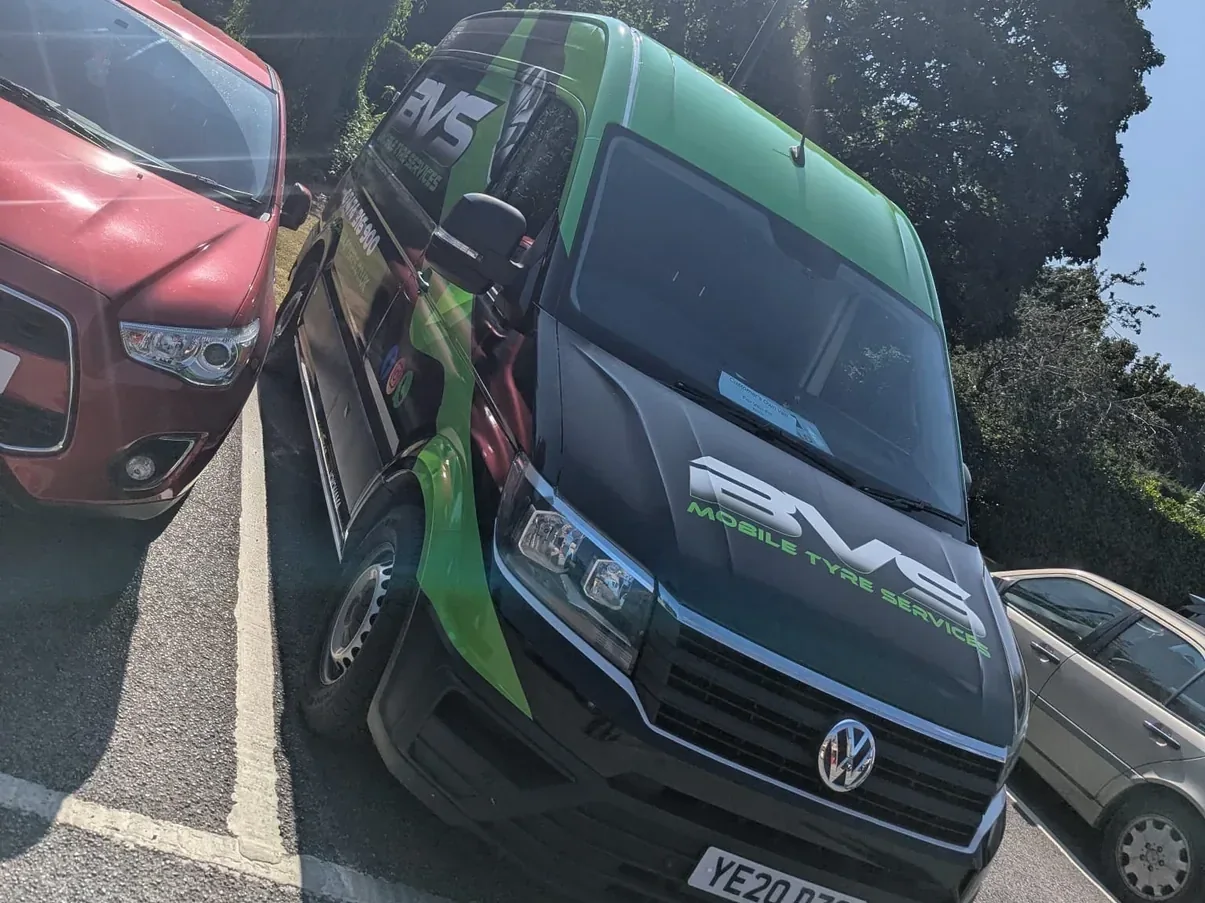
From September 2025 to September 2026, the campaign recorded 630 qualifying calls at £18.25 each as the business expanded from one van to two.
Continue with the next useful question
Understand the decision—not just this one answer.
These guides cover the closest decisions that normally affect the same campaign, page or budget.
Browse all practical guides →


Common questions
Short, honest answers.
Do I need a CRM?+
Not necessarily, but you need a consistent, secure place to retain source and outcome information. A CRM usually makes the process more reliable as volume grows.
Can Google Ads know which form became a sale?+
Yes, when the capture, consent, matching and import setup is implemented correctly and the later outcome is returned using a supported method.
Should every sale have an exact value?+
Use accurate values where available. When exact figures are impractical, well-defined value bands can still distinguish materially different outcomes, provided they are not invented.