
Seasonality can be a precise brief
A campaign does not have to run forever; it can be built to protect the months where capacity normally falls.
Fencing, decking and landscaping / Bristol, UK
The goal was not abstract growth. The company wanted fewer quiet winter weeks and enough forward demand to plan work for three teams with confidence.
What happened
JPW Fencing & Decking is linked for business context. Recorded lead actions are not presented as confirmed jobs; the full diary is a separately reported operational outcome.
The starting problem
The company already had demand during the stronger part of the year. The commercial problem was uneven capacity: winter could slow down, while the team needed a healthier forward diary.
Success had a ceiling. Once three teams were booked months ahead, continuing to buy enquiries would create a fulfilment problem.
Homeowners search when a fence needs replaced, a garden project is planned or quotes are being compared. Google put JPW in front of that active local demand around Bristol.
The changes
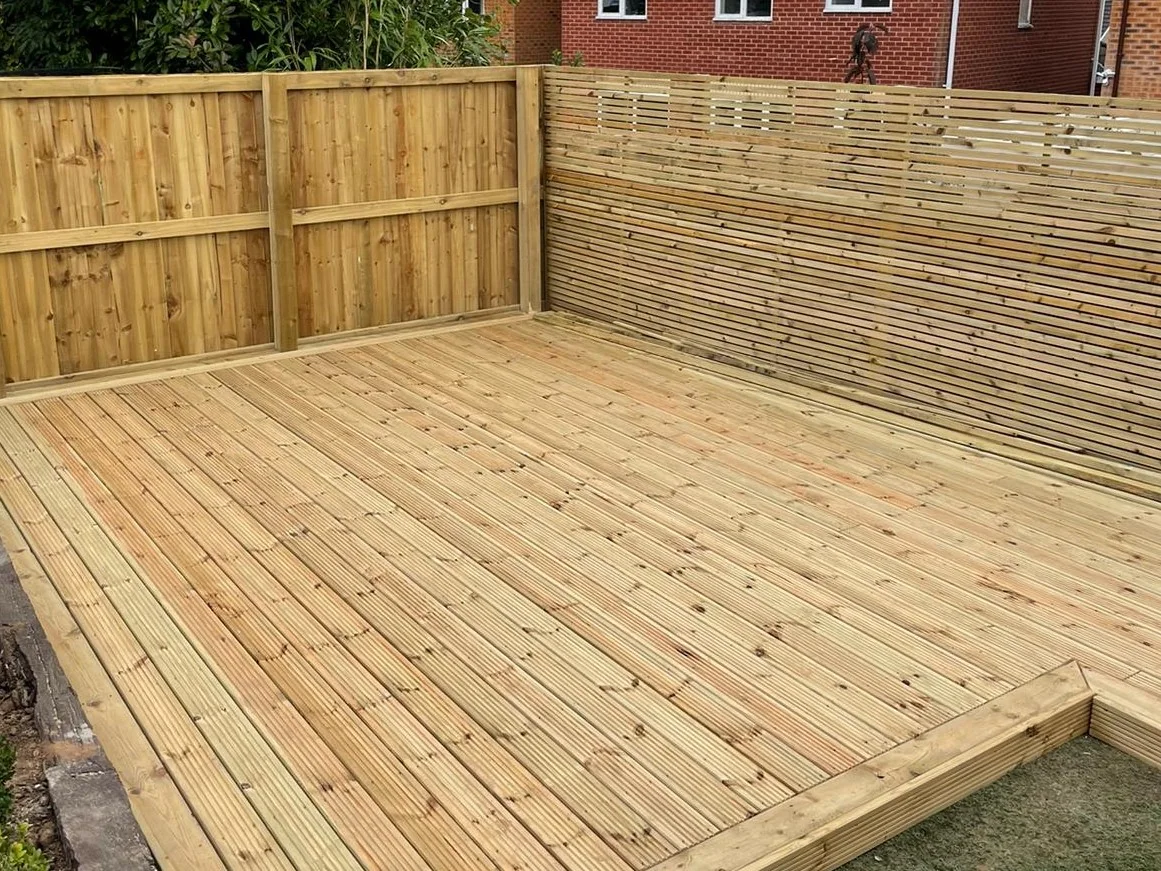
Campaign decisions centred on fencing, decking and closely related landscaping work rather than broad garden traffic.
Lead cost mattered, but so did whether enquiries became suitable work and how far ahead the teams were already booked.
Once Google Ads had proved the demand, the next job was a clearer website that could win more enquiries and improve long-term Google visibility.
The evidence
The account recorded 86 quote-form submissions and 36 phone-number clicks from £3,951.20 of spend. That is 122 recorded lead actions at £32.39 each. The business reports that its three-team diary filled months ahead, so advertising paused rather than continuing to collect demand it could not service promptly.
See the live client website ↗What this means for another business
A campaign does not have to run forever; it can be built to protect the months where capacity normally falls.
Advertising becomes wasteful when the teams and diary cannot absorb another job.
Turning ads off because the diary is full is very different from turning them off because they failed.
Your next enquiry starts here
Tell me what you sell, who needs it and what is getting in the way. I’ll read it personally and explain what I would look at first.